On 18 April, NITI Aayog organised a webinar on the future of work in light of the COVID-19 crisis. It had five panellists – all men.
The poster received a lot of criticism on social media and a woman panelist was quickly added. While many asked whether it was an earnest realisation or a face-saving measure, the bigger issue here is that several work-related discussions that are taking place across the professional domain have made women completely invisible.
While discussions about women and workspaces are ongoing, the pandemic has made them rather urgent.
During the lockdown, the definition of workspace has changed for both men and women. Home has become the new office. For centuries, home has been the primary workspace for women. Even when women moved into the professional office space, home remained their primary responsibility. This is where their womanhood was evaluated.
So how did the lockdown and the moving of the office affect men and women? Was it same for both or did it affect them differently? Did being forced into this new arrangement give rise to a new social and familial dynamic?
The first problem that the new arrangement throws up is the issue of household chores. The situation is so bad that two Chief Ministers – Pinarayi Vijayan of Kerala and Naveen Patnaik of Odisha – came out openly asking men to share house work. But how many men saw this crisis as a call to step up?
Every woman I spoke to complained of more-than-usual housework load. Not a single man did. This does not mean that men didn’t find it to be a bother, many of them just did not bother with it.
Domestic helps are forbidden from coming. Schools have gone online. The men seemed to have locked themselves in their “new offices”. Men usually take pride in not knowing their way around the kitchen, as most of them are raised to see the kitchen as an exclusive space for women.
When everything is changing, will men pick up the broom and enter the kitchen? That is one insight that will affect future productivity than anything else we know.
For example, let’s assume the husband and the wife have video calls at the same time. Whose work takes precedence? Who requests for a change of time or sends an apology?
For decades, household responsibilities have compromised women’s performance at work. There was never a direct co-relation, like today. Men are being pushed towards treating women at work as equal, but have they graduated to doing that at home too? There is a direct statistical answer to this.
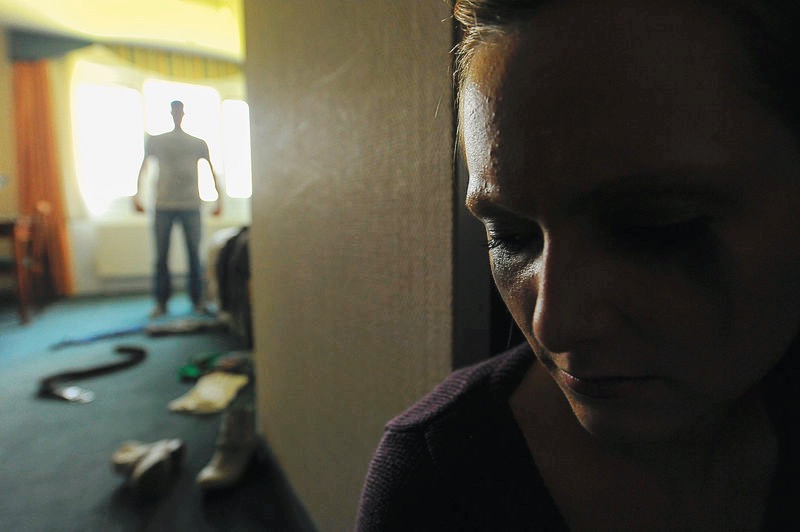
There has been a global surge in domestic violence cases during the COVID-19 crisis and the ensuing lockdowns. France has offered to pay for hotel rooms for victims. Italy launched an app that helps victims seek help without making a call. The United Kingdom has also issued guidance to get immediate help in case of any trouble. Even United Nations Secretary General had to make an appeal.
In India, the National Commission for Women (NCW), which runs its own regular helpline for complaints, has launched a special WhatsApp number to report abuses during the COVID-19 lockdown period. Beyond this, the government hasn’t taken any targeted steps to address the problem yet.
As of 4 May, the NCW had received a total of 315 complaints online and through WhatsApp – the highest since August last year. It is as if women are fighting two pandemics at once.
At office, women have the benefit of law – the Sexual Harassment of Women at Workplace (Prevention, Prohibition and Redressal) Act, 2013 – and men stand to lose a job. But violence at home has no repercussions on men’s professional lives.
All future work-related discussions or panels that keep out women, and the changing spaces and dynamics they have to deal with, is redundant. It is like preparing for a disaster by keeping a hand and leg tied.
All future of work preparations that see COVID-19 as a temporary disruption to be overcome is incomplete. I hope all of us will relook, re-evaluate work, space, home, house work and gender in a whole new light. Otherwise, we are like a lab rats in a training loop. The outcome will never be different or better.
Views expressed are the author’s own.
Om Routray works in the agritech domain. He has a keen interest in food, fiction and politics. He blogs at The Young Bigmouth and tweets at @dyoungbigmouth.
Featured image (for representation only): Wikimedia Commons

works in the agritech domain. He has a keen interest in food, fiction and politics. He blogs at The Young Bigmouth and tweets at @dyoungbigmouth.